

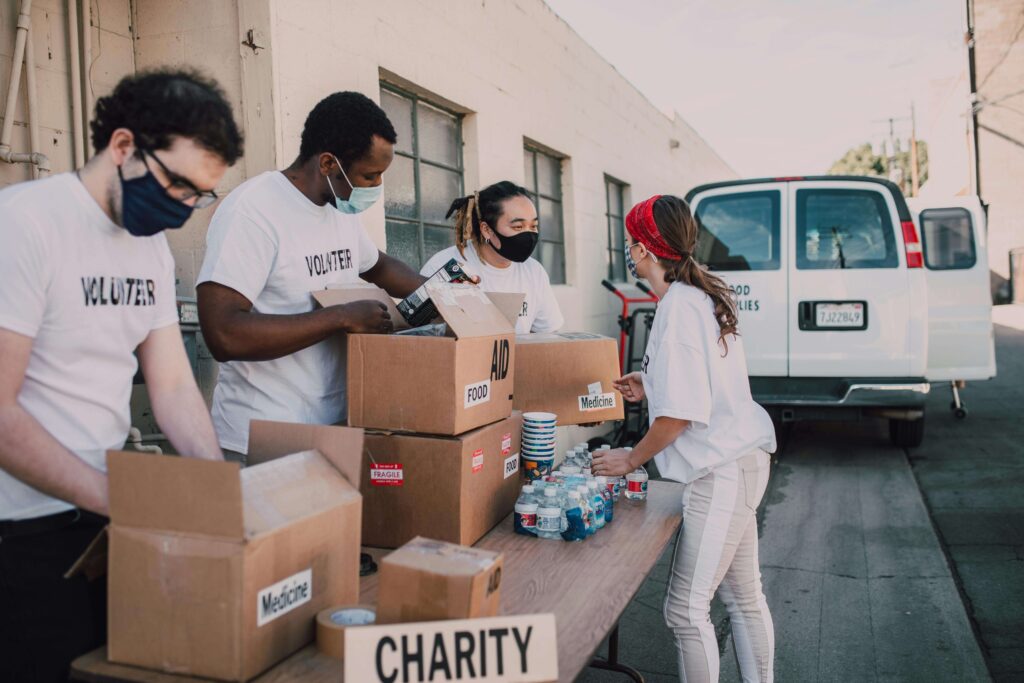

When your team rallies around a charity challenge, something remarkable happens — colleagues who rarely interact start cheering each other on, healthy habits get built along the way, and the workplace buzzes with a renewed sense of purpose. A well-designed charity challenge isn’t just a feel-good event; it’s one of the most powerful levers a company can pull to improve culture, engagement, and employee wellbeing programs at all at once.
What Is a Charity Challenge?
A charity challenge is a structured commitment — usually 7 to 30 days — where individuals or teams take on purposeful actions tied to a charitable cause. It’s not a donation box in the break room. Every action — a step walked, a habit maintained, a volunteer hour logged — connects directly to real impact for a cause the team has chosen together.
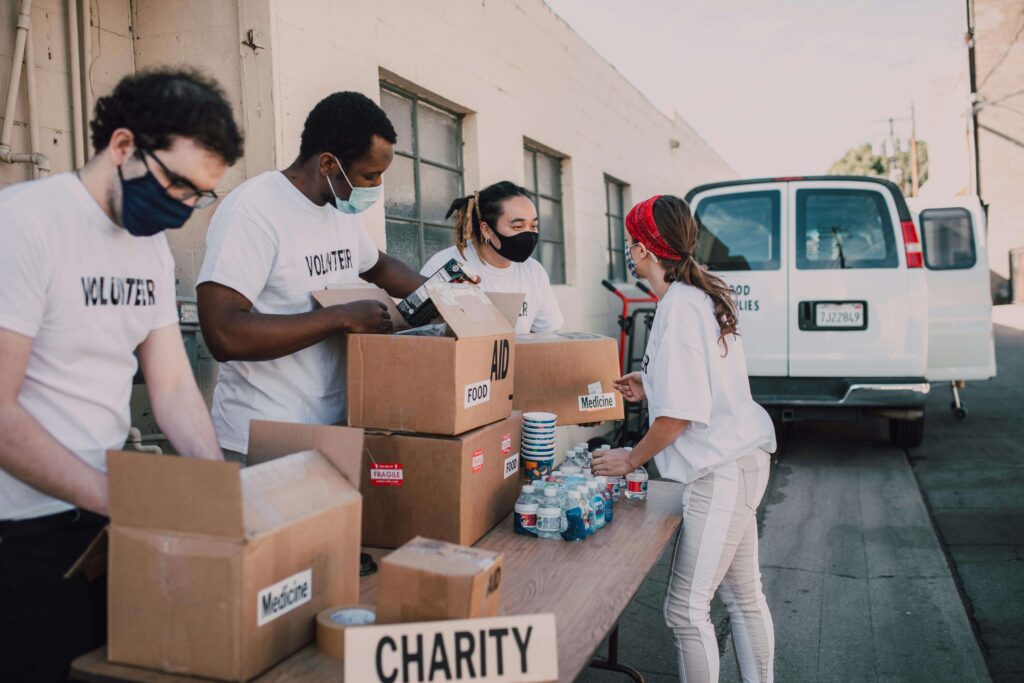
The concept isn’t new, but its workplace application is. What began as sponsored runs and fun fairs has evolved into one of the most versatile tools in the modern HR toolkit — capable of building culture, improving wellbeing, and boosting retention all at once.
A landmark Harvard Business School study confirmed what most participants already feel intuitively: people who give to others consistently experience higher happiness levels than those who spend on themselves. That happiness loop is the engine behind a great charity challenge.
Quick distinction: A donation drive asks people to give money. A charity challenge asks people to do something — walk, sleep better, practice gratitude, go sugar-free — and ties that action to a charitable outcome. The participation itself becomes the reward.
Why Charity Challenges Work at Work
Most companies treat charitable giving as a year-end budget line — a lump donation employees never connect to. A charity challenge flips this entirely. It brings giving into everyday action, turns colleagues into teammates, and creates the kind of shared story that no offsite retreat can manufacture.
- Boosts morale organically: Purpose is one of the fastest ways to improve employee morale. When people feel their work connects to something larger, day-to-day frustrations shrink in comparison.
- Strengthens cross-team bonds: Charity challenges naturally bring together people across departments, making them among the most effective physical team building activities available.
- Builds lasting habits: A 30-day challenge creates routines that outlast the event itself — compounding wellbeing benefits that extend long after the leaderboard goes dark.
- Deepens employee engagement: Combined with a consistent employee engagement strategy, charity challenges build workplaces where people genuinely want to show up.
- Reinforces your culture: Celebrating who gave, who led, and what was raised builds the culture of recognition that retains top talent and attracts new ones.
Key insight: A charity challenge isn’t a CSR checkbox. When designed well, it’s a wellbeing program, a team-building event, and a culture initiative rolled into one — which is exactly why progressive HR teams are making it a calendar staple. See how it fits within broader workplace wellness initiatives.
Preparing for the 30-Day Charity Challenge
A meaningful charity challenge doesn’t happen by accident. A few hours of preparation separates a forgettable drive from one people talk about for years. Here’s how to set your team up before Day 1.
1. Let the Team Choose the Cause
Survey employees before selecting a charity. When people vote for the cause, they take ownership of the outcome — and that ownership drives participation like nothing else. Popular categories: mental health, food security, children’s education, environmental causes.
2. Identify Local & National Nonprofits
Research organizations aligned with your chosen cause. Don’t overlook grassroots nonprofits — smaller organizations often have direct, immediate impact and desperately need support. Check their mission and volunteer needs before committing.
3. Set Team Goals & Personal Intentions
Define what winning looks like — a fundraising total, volunteer hours logged, or a collective habit streak. Encourage individuals to set personal intentions too. Goals create accountability; intentions create meaning.
4 . Choose a Tracking Platform
Manual tracking kills momentum. Use a workplace wellness challenge platform that automates logging, shows real-time leaderboards, and sends participant nudges. Woliba’s challenge tools are purpose-built for exactly this.
5. Plan Your Incentives
Intrinsic motivation runs deep in charity challenges, but pairing it with wellness program incentives — extra PTO, matching donations, recognition shoutouts — significantly lifts completion rates across all four weeks.
6. Encourage Journaling & Reflection
Ask participants to keep a simple journal throughout the challenge. Capturing emotions in real time — what they felt volunteering, what surprised them — creates a depth of experience a leaderboard alone can never provide.
Week 1: Acts of Kindness in Daily Life
The first week is about lowering the barrier to entry. Grand gestures can wait — start with the small, everyday moments that most people overlook. The goal this week is to make kindness a reflex, not a scheduled event.
What to do this week:
- Start each morning with the intention to perform at least one visible act of kindness — a genuine compliment, a handwritten note, covering a colleague’s coffee, or sending an encouraging message to a friend.
- Look for friction points in other people’s days and remove them. Hold the elevator. Offer to take notes in a meeting. Help a neighbor with their groceries.
- Assign a daily kindness challenge — praise a coworker’s hard work publicly, call a family member you’ve been meaning to check on, or donate to a cause a teammate cares about.
- At day’s end, note one act you performed and one you received. Tracking both sides deepens empathy and reinforces the habit going into Week 2.
Week 1: Reflection Prompt
How did today’s act of kindness change the other person’s day — and your own mood? Did anyone else notice and act similarly? Kindness has a multiplier effect that compounds quietly through the day, creating ripples you may never fully see. This is the week you start to feel it.
This week lays the emotional foundation for everything that follows. Participants who build a kindness habit in Week 1 carry it through the rest of the challenge — and beyond. It aligns naturally with emotional wellness goals your team may already be working toward.
Week 2: Community Engagement & Volunteering
Week 2 takes the energy from Week 1 and directs it outward — into your neighborhood, your city, and your local organizations. This is where the charity challenge starts to feel real, and where teams stop acting individually and start operating as a unit.
What to do this week:
- Research local volunteering options: Food banks, animal shelters, community gardens, after-school programs, neighborhood clean-ups. Match the activity to team interests for maximum enthusiasm.
- Commit to one group volunteer event: Working side by side on something meaningful builds a kind of trust that no meeting ever will. It’s one of the most authentic employee engagement ideas available to HR teams.
- Engage, don’t just execute: Talk to the people you’re serving. Learn their stories. Share yours. This is where the personal growth arc of the challenge truly begins.
- Include remote employees: Remote team members can participate through online mentoring platforms or skills-based volunteering. Use your virtual team infrastructure to ensure everyone belongs.
- Reflect and share: At the end of each volunteer session, gather briefly to share observations. What surprised you? What will you carry forward? Hearing each other’s answers changes the way you see each other at work.
For HR teams: Week 2 is the highest-impact week for employee connection. Consider making the group volunteer event a half-day company activity. The ROI — in morale, engagement, and retention — consistently outperforms traditional team-building spend.
Week 3: Fundraising & Awareness Campaigns
In Week 3, the challenge expands beyond your immediate team. This is where participants learn to mobilize resources — money, attention, and enthusiasm — from people outside the organization. Done well, this week dramatically amplifies the challenge’s real-world impact.
Fundraising approaches that work:
- Pledge-based challenges: Colleagues, friends, and family pledge a dollar amount for every mile walked, hour volunteered, or day a habit is maintained. Simple, proven, and perfectly scalable alongside a step challenge at work.
- Internal skill-share fundraisers: Employees offer their skills — cooking demos, yoga sessions, photography — and colleagues “buy” a session with a donation. Creative and deeply community-building.
- Social media awareness campaigns: Equip participants with shareable content about the chosen cause. Every post extends the campaign’s reach far beyond your company’s walls. Awareness raised can be just as valuable as dollars raised.
- Company matching: When leadership commits to matching employee donations, fundraising totals can double overnight — and it demonstrates authentic organizational commitment that employees notice and remember.
Document the week through photos, a shared blog, or a dedicated Slack channel. The journey content itself becomes a powerful ongoing awareness campaign. Pair this with your employee recognition programs by highlighting standout fundraisers publicly each week.
The Power of Collective Action
Individual contributions, when pooled together, can create results that seem impossible alone. A team of 50 each raising $200 generates $10,000. A team of 500 each logging 2 volunteer hours generates 1,000 hours of community service. Week 3 is where participants viscerally feel the power of showing up together.
Week 4: Personal Growth & Reflection
The final week belongs to the inner journey. The external actions have been taken — the kindnesses performed, the volunteer hours logged, the funds raised. Week 4 is about understanding what all of it has done to you, and deciding what you’ll carry forward.
Reflection practices for Week 4:
- Daily journaling: Revisit entries from the first three weeks. What surprised you? When did you feel most alive during the challenge? What was harder than expected?
- Team sharing circles: Host a 30-minute sharing session — in person or virtual. Hearing how colleagues experienced the challenge deepens its communal meaning and reveals impacts individuals couldn’t see from their own vantage point.
- Explore global charitable needs: Use this week to educate yourself beyond local causes. Broaden your empathy and sharpen how you’ll give in the future.
- Plan your long-term commitment: Which organization will you continue supporting? How much time each month can you volunteer? Let the challenge be the start — not the finish.
The Ripple Effect
Research consistently shows that witnessed acts of kindness elevate the observer’s mood and increase their own likelihood of giving. Your 30-day challenge doesn’t just impact direct recipients — it quietly reshapes the culture around you. That’s the real measure of success: not just what was raised, but what was changed in the people who participated.
This week’s reflection connects directly to the broader practice of holistic mental health — the understanding that meaning, connection, and contribution are not luxuries, but foundations of genuine wellbeing.
25+ Charity Challenge Ideas for Your Team
Not every organization will run a full 30-day program from the start — and that’s completely fine. The charity challenge ideas below work as standalone events, single-week sprints, or building blocks you mix and match to fit your team’s culture and capacity.
Step Challenge for Charity
Each participant tracks their daily steps using a step challenge app or wearable. The team sets a collective step goal — say, 10 million steps in 30 days — and the company donates a set amount for every milestone reached. You can also run it as a pledge drive, where friends and family sponsor employees per 1,000 steps logged.
Works because it requires zero new behavior. Employees are already walking — this just gives those steps a purpose beyond fitness.
Walk / Run-a-thon
Before the event, participants collect pledges from colleagues, friends, and family — a fixed donation per mile they plan to complete. On event day, teams walk or run a set route, either together on-site or simultaneously in their own neighborhoods. Total pledges are collected and donated to the chosen cause.
One of the oldest fundraising formats for a reason — the combination of physical effort and personal sponsorship creates deep emotional investment in the outcome.
Summer Fitness Fundraiser
Over 8–10 weeks, employees log workouts across any activity — running, swimming, gym sessions, cycling. Each completed workout earns points toward a team fundraising total. The company matches points with dollars donated to the cause. Running a summer fitness challenge already? Simply layer the charity pledge on top.
The long format builds genuine habits, and the seasonal timing creates natural social momentum — people are already more active in summer.
Heart Health Pledge Month
Employees commit to hitting a weekly cardio target — 150 minutes of moderate activity — for the full month. Each week of completion triggers a company donation to a heart health nonprofit like the American Heart Association. Pair it with basic heart health education content for added impact.
February is Heart Health Month, making this a timely, cause-aligned campaign that HR can pitch to leadership with an obvious cultural hook.
Virtual Workout Fundraiser
Host live-streamed group workout sessions — yoga, HIIT, dance, stretching — open to all employees regardless of location. Each session has a donation target; participants and external supporters contribute to unlock the next class. Remote and hybrid teams can join in real time, making this one of the most genuinely inclusive formats available.

It solves the inclusion problem. Remote employees often feel like spectators in charity challenges — this makes them equal contributors from day one.
Cycle-a-thon
Set up stationary bikes in a common area (or use an outdoor route for in-person teams) and challenge departments to accumulate the most miles over a week. Total team mileage translates into a charitable donation — for example, $1 per mile cycled. Works especially well as an Earth Day or company anniversary event.
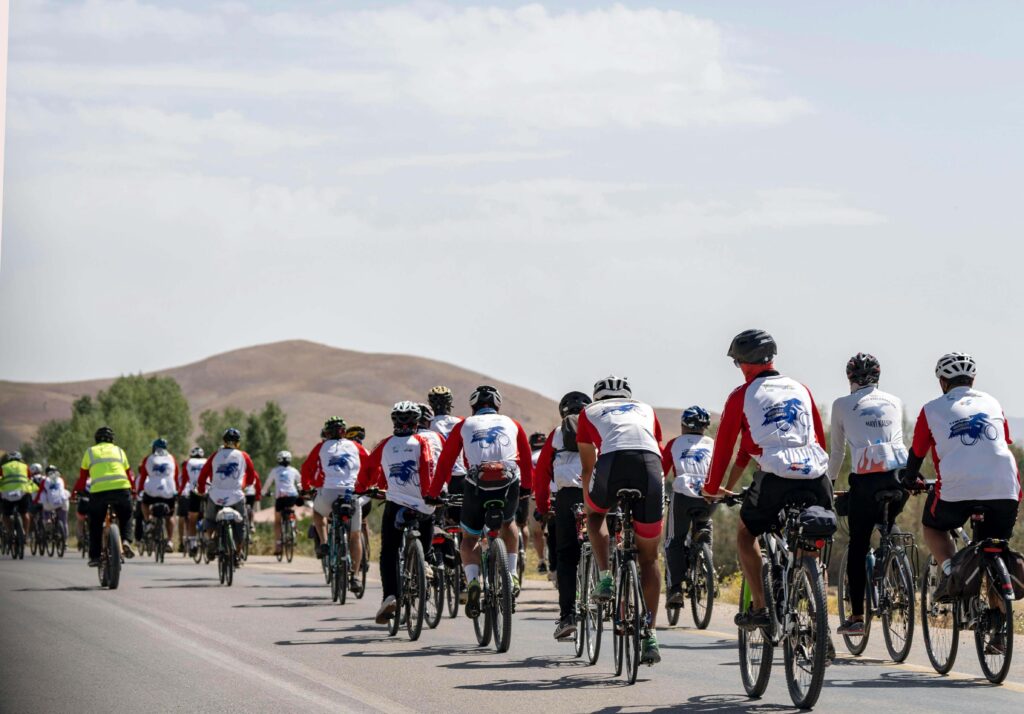
The relay-style format means even less active employees can contribute a few minutes and feel genuinely part of the outcome.
No Sugar Pledge for Charity
Participants commit to eliminating added sugar for 30 days. Sponsors — family, friends, or the company itself — donate a set amount for each consecutive day completed. A shared tracking channel where people post their daily check-ins creates accountability and community at the same time. The no-sugar challenge format is already proven — attaching a cause gives people the extra push to actually finish.
Behavior-change challenges with a charitable stake have significantly higher completion rates than those driven by personal goals alone.
Hydration Challenge
Employees set a daily water intake goal — typically 8 glasses or 2 liters — and log their progress in a shared tracker. For every day the team collectively hits 80% or more completion, a fixed donation is made to a clean water nonprofit like charity: water. The irony of drinking enough water while funding access to clean water isn’t lost on participants — and it resonates.
Zero equipment, zero skill barrier, and deeply relevant to remote teams. One of the easiest challenges to launch with near-universal participation.
Nutrition Pledge Week
Teams commit to one or two specific nutrition goals for the week — adding a vegetable to every meal, cutting out processed snacks, or cooking at home instead of ordering. Each day of successful completion earns points, and weekly streaks unlock donations. Run it in 4-week cycles for a full month of healthier eating with measurable community impact alongside.
Short weekly commitments lower the intimidation factor, making it accessible to employees who find 30-day pledges too daunting.
Plant-Based Week
The entire team goes plant-based for 7 days — no meat, dairy, or animal products. Every participant who completes the full week triggers a fixed company donation to an environmental or food security organization. Include a shared recipe channel and daily meal inspiration to keep energy and ideas flowing throughout the week.
This challenge works on multiple levels simultaneously — personal health, environmental impact, and team solidarity. Many participants continue plant-based habits well beyond the week.
Mental Health Month Challenge
Each day of the month features a specific mental wellbeing action — 10 minutes of journaling, a 5-minute breathing exercise, one screen-free hour in the evening, or a short check-in with a colleague. Completing each daily action earns a point, and cumulative team points unlock donations to a mental health nonprofit. The mental health challenge structure makes this easy to adapt.
Mental health challenges normalize the conversation about wellbeing at work. The charitable element extends the impact beyond the team to organizations doing critical community work.
Gratitude Challenge for Charity
Every morning, employees share one thing they’re grateful for on a dedicated Slack channel or internal platform. Each post earns $1 donated to a chosen cause — with the company matching the total at the end of the month. The gratitude practice itself is evidence-backed for improving mood and reducing stress, making this a wellness win alongside the fundraising outcome.
It builds a positive habit, creates a warm public record of team culture, and raises real money — three outcomes from one daily two-minute action.
Happiness Week Fundraiser
Over 7 days, participants complete a daily happiness action — performing a random act of kindness, spending time in nature, connecting with a friend, practicing a hobby, or doing something creative. Each day completed earns a pledge from sponsors. Encourage employees to share their happiness moments publicly to inspire colleagues and extend the fundraising reach beyond the company.
Happiness challenges have lower perceived effort than fitness challenges, making them ideal for teams that are new to charity challenge formats.
Meditation Marathon
Set a collective meditation minute goal for the month — say, 50,000 minutes across the entire company. Employees log their daily meditation sessions using any app they already use (Calm, Headspace, Insight Timer). Every 5,000 minutes reached unlocks a company donation to a mental health or mindfulness nonprofit. Hold a group session on Day 1 to kick things off together.
Many employees have meditation apps they never open consistently. A collective goal with a charitable stake is exactly the external motivation that turns occasional use into a real habit.
Green Habits Month
Employees earn points for sustainable daily actions — skipping single-use plastic, choosing a meatless meal, commuting by bike or public transport, turning off devices when not in use, or bringing a reusable cup to the office. Weekly point totals translate into donations to an environmental nonprofit. Publish the leaderboard on your intranet to keep the competitive energy alive.
Most teams are genuinely surprised by how much collective impact they accumulate when individual micro-actions are tracked and totaled. The visibility changes behavior.
Tree-Planting Challenge
Partner with an organization like One Tree Planted or Trees for the Future. Every time the team hits a wellness milestone — a step count, a volunteer hour target, a nutrition streak — the company funds the planting of a tree. Set an ambitious annual target (500, 1,000, or 5,000 trees) and display the running counter on your company dashboard throughout the year.
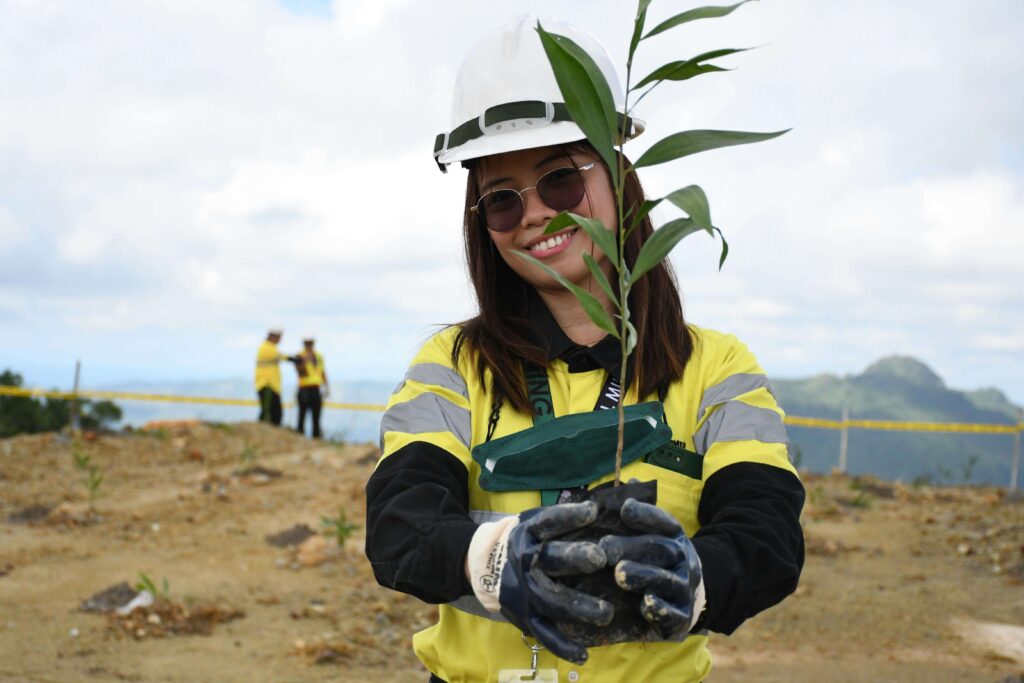
The tangible, countable nature of trees makes progress feel real and shareable. A banner that reads “Your team planted 847 trees this year” is powerful internal communication.
Zero-Waste Office Week
Challenge each department to minimize their office waste over 5 days — track trash bags filled, single-use items avoided, and recycling rates. Weigh waste at the start and end of the week to measure the reduction. The department with the greatest improvement wins the right to choose where the company’s charity donation goes. Briefings and tips at the start of each day keep engagement high.
Giving winning teams the power to choose the recipient turns every gram of recycling into something personal — which is a surprisingly strong motivator.
Sleep for a Cause
Employees track their nightly sleep using a wearable or sleep app and set a personal target — typically 7 to 9 hours. Over 21 days, each night within the target range earns points. Employees who hit their personal sleep goals for 15 or more nights trigger a company donation to a health or wellbeing nonprofit. Read more about running a structured sleep challenge at work.

Sleep is chronically undervalued in workplace wellness. Attaching a charity outcome to a personal health goal makes people take it more seriously than a wellness campaign alone ever could.
30 Acts of Kindness
Every employee commits to one deliberate act of kindness per day for 30 days — writing a thank-you note, picking up litter, donating to a food bank, complimenting a stranger, or helping a colleague without being asked. Each completed act is logged and earns a company donation. A shared channel where people post their daily act creates a cascading effect — seeing what others are doing inspires more creative and generous actions.
This is essentially the Week 1 framework expanded into a standalone challenge. Simple to explain, easy to start, and deeply meaningful by Day 30.
Volunteer Hour Drive
Set a company-wide volunteer hour target for the quarter — say, 500 total hours across all employees. Individuals can volunteer anywhere: a local shelter, a school tutoring program, a community garden, or an online mentoring platform. Every logged hour is matched with a company donation to a chosen nonprofit. The running total is displayed on the company dashboard and updated in real time.
Quarterly targets create sustained engagement across the full period, rather than the spike-and-fade pattern of one-week events. And matching hours with dollars gives each volunteer session a dual impact.
Skill-Share Fundraiser
Employees sign up to offer a skill or experience to their colleagues — a 30-minute yoga class, a photography walk, a coding workshop, a baking session, a career Q&A. Colleagues “book” a session by making a donation to the team’s cause. All funds are pooled and donated at the end of the month. The catalog of offerings becomes a window into the hidden talents across your organization.
This challenge builds connection across teams who rarely interact, while simultaneously raising money. The surprise is always how many skills people are hiding.
Peer Support Challenge
Over two weeks, each employee is paired with a “wellbeing buddy” from a different team. Pairs check in daily — a short message, a question, or a shared reflection prompt. Completing each daily check-in earns points, and team totals trigger donations to a mental health organization. The buddy pairing also functions as a lightweight peer support structure that many employees don’t have access to otherwise.
This challenge addresses two needs simultaneously — fundraising for mental health causes, and building the kind of genuine peer connection that actually improves mental health at work.
Wellness Bingo for a Cause
Design a bingo card with 25 healthy habits across categories — movement, nutrition, sleep, mindfulness, and social connection. Employees complete actions to fill their card over the month. Each completed bingo line earns a company donation; a full card earns a bonus donation. The variety of actions means there’s something achievable for every fitness level and schedule, making participation genuinely inclusive.
Bingo formats have unexpectedly high completion rates because the visual progress is satisfying and the variety prevents the monotony of single-habit challenges.
Reading Challenge for Literacy
Employees commit to reading one book per month for a quarter — any genre, any format. Each completed book is logged and triggers a donation to a children’s literacy or adult education nonprofit. Add a shared book recommendation channel where participants post brief reviews, turning the challenge into a living library of team interests and perspectives.
Reading challenges tend to attract employees who don’t engage with fitness-based formats, broadening the overall participation base and giving quieter team members a place to shine.
Office Fitness Fundraiser
Take an existing office fitness challenge and reframe the goal around collective fundraising rather than individual weight or performance metrics. Teams compete to accumulate the most fitness points — workouts, steps, active minutes — over the month, with each point tier unlocking a larger company donation. Removing individual body-focused metrics while keeping the competitive structure typically brings in employees who sat out previous versions.
The shift from “beat your colleagues” to “beat the fundraising target together” is a small framing change with a significant effect on inclusion and participation.
How to Run Your Charity Challenge with Woliba
The difference between a forgettable charity drive and one that becomes a company tradition almost always comes down to infrastructure. When logging is manual, tracking is inconsistent, and recognition happens sporadically, even great ideas lose momentum by Week 2. Woliba is built to eliminate exactly those friction points.
- Challenge Builder — Design custom daily actions, assign point values, and set team or individual targets from a single dashboard. No spreadsheets, no email chains.
- Automated Tracking — Participants log acts of kindness, volunteer hours, workout completions, and habit streaks in the app. Progress updates in real time without anyone on the HR team having to chase it.
- Live Leaderboards — Real-time visibility keeps competitive momentum going through Week 3, which is historically where most challenges lose steam.
- Built-in Recognition — Milestone achievements trigger automatic recognition, and standout contributors can be featured publicly. Recognition embedded in the mechanics of the challenge, not layered on afterwards, is what drives completion.
- Impact Report — At close, generate a full summary: funds raised, volunteer hours logged, habits formed, participation rate by department. Use it to make the case for making this an annual event — and to show leadership the ROI of a strong employee morale investment.
Conclusion
A charity challenge is one of the most complete investments a company can make. In 30 days, it builds healthy habits, strengthens teams, deepens individual purpose, and delivers real-world impact for causes that matter. The Harvard data confirms what every participant eventually feels: giving back isn’t a sacrifice — it’s one of the highest-return activities available to any human being.
Week 1 will humble you with its simplicity. Week 2 will connect you to people you’ve worked alongside for years without really knowing. Week 3 will show you what collective action looks like up close. And Week 4 will reveal how much a single month of intentional giving can quietly transform a life — yours included.
Whether you launch the full 30-day program, start with a single volunteering sprint, or pick three ideas from the list above and build from there — the formula is the same: meaningful cause + consistent action + visible impact = a team that genuinely changed something.
Start your charity challenge today — and let Woliba help you make it count